
Your Camping Safety Guide
Staying Safe And Sound
When you’re buzzing about your festival weekend or family camping trip, safety chat can often feel like your mum reminding you to wear clean underwear. But whether you’re using tent hire for festivals or bringing your own gear for a family adventure, trust us, spending five minutes on this stuff now saves you from becoming that person with the disaster story everyone talks about for years.
Weather: Britain’s Favourite Plot Twist
British weather as we know has zero chill. It’ll go from gorgeous sunshine to absolutely biblical rain faster than you can say “where did I put my wellies?” Here’s how to stay one step ahead:
Hypothermia Is A Thing, Even In Summer
This sounds dramatic, but hypothermia can happen even in July if you get properly soaked and the temperature drops. Overnight temperatures in summer can drop down to 9 degrees C. So if you’ve bought a cheap tent or the wrong sleeping bag, you’ve not only not paid attention in the earlier parts of this guide but are also at risk of hypothermia. We’re not trying to scare you, just trying to keep you from becoming a cautionary tale.
Prepare For:
But Wait, There’s More: Heatstroke and Sun Safety
Just when you think you’ve got British weather figured out, it throws a heatwave at you. Those rare but glorious sunny spells can catch people completely off guard, especially when you’re spending all day outdoors without much shade.
Heatstroke is the flip side of hypothermia, your body overheats and can’t cool itself down. Signs include feeling dizzy, nauseous, confused or having a rapid heartbeat. Not exactly the festival vibe you were going for. So if you or someone you’re with is acting weird. Get them in the shade, get them another drink (no, not another beer!) and cool them down gradually.
Prepare For:
Floods and Wind: When The Weather Forecast Lies To You (again…)
One minute you’re sipping tea outside your tent, the next you’re chasing it down the field like it’s trying to escape to Scotland (or if you’re already in Scotland, the Faroe Islands). UK weather has a reputation for a reason and whether you’re camping with your own gear or using a tent hire, it pays to know how to handle storms and floods.
Wind. British storms can go from breezy to destructive faster than you can say “should we pack up?” The best defence is preparation. Secure anything loose before the gusts arrive, chairs, gazebos, even cool boxes and add extra guy ropes or anchor points using rocks or spare pegs. Always know where the nearest solid shelter is, whether that’s your car, a site building or a brick-walled toilet block. And if your tent starts ballooning like it’s about to lift off, get out quickly and head for proper cover. Even if you’ve opted for camping equipment rental and the gear’s been tested for UK weather, these backup plans still matter. Because even the most expensive tents won’t survive a force 7 gale or worse.
Flooding. The other big curveball. Low-lying pitches near rivers can become paddling pools in minutes, so always scope out higher ground routes when you first arrive. Keep your essentials such as documents, electronics, car keys in waterproof storage and have a grab bag ready somewhere accessible in case you need to move fast. Signing up for Environment Agency flood alerts is a smart move, too.
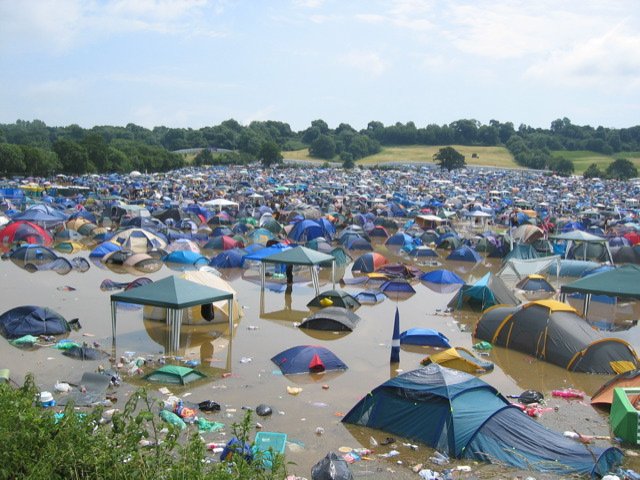
Whether it’s storm-force winds or a sudden deluge, a little planning and a cool head will keep your camping trip (and your tent hire experience) safe, dry and a lot less stressful. Leaving you free to enjoy the best of the UK countryside.
Navigation: When “Just Follow the Path” Goes Wrong
UK weather loves turning clear mountain views into thick fog soup within minutes. Even if you’re just popping out from your campsite for a quick walk, the conditions can change in a flash. So, always be prepared for the unexpected and make sure you’ve got the essentials, because that quick stroll could turn into a challenge without the basics. So let’s keep you on the right track:
Wildlife and Livestock: What You Actually Need to Worry About
Look, we’re not in Australia and the UK isn’t exactly Jurassic Park. You’re far more likely to encounter a soggy field than a deadly predator, but there are still a few things worth knowing, especially if you’re camping in the UK. When you’re pitching up in a rural spot, staying aware of local wildlife and livestock will help keep your trip safe and stress-free.
Bulls in fields – Give them loads of space, especially if there are calves around. They can be territorial, so heed any warnings on footpaths and keep dogs under close control.
Highland cows – They look like giant, ginger teddy bears but they’re massive and unpredictable. Admire them from a distance while you’re hiking or camping.
Sheep with lambs – Protective mums might have a go if they think you’re a threat. If your tent hire pitch is near farmland, set up away from obvious animal trails. And make sure your dog is under tight control, farmers will shoot your dog to protect livestock if it is deemed to be worrying them.
Adders – The UK’s only venomous snake. Bites are rarely serious but still, don’t poke them (or try to impress your friends).
Ticks – The often forgotten menace. If you’ve been trekking through long grass or a boggy area, check your legs for any ticks crawling up and get them off before they bite. Lyme disease is no joke for you or your furry companions.
Be Prepared, Not Put Off
None of this is meant to scare you off, UK camping is brilliant and millions of people do it safely every year. Think of it less as doom-planning and more as being that smart person in your group who’s quietly got everything covered. Five minutes of prep now means everyone has epic stories for the right reasons later.
It’s not about expecting disaster, it’s about being the hero who was prepared when things got a bit sideways. Your future self (and your mates) will thank you, especially if you’ve chosen reliable outdoor equipment that can handle whatever British weather throws at you. Save a few key numbers in your phone before you go: 999 for emergencies, 111 for NHS non-emergency advice, and 0345 988 1188 for the Environment Agency flood line.
Do that and you’ll not only stay safe and smart but also have the freedom to enjoy the best of the UK’s camping spots, knowing you’re ready for anything from blazing sunshine to sideways rain.
Safety Sorted. Now Sort Your Tent
You’ve got the knowledge to stay safe. Now get gear that won’t let you down when it matters. Hire tested tents and skip the expensive trial-and-error phase.