Packing and Organising Camping Gear
The Art Of Packing
Lets face it, digging through a chaotic boot at midnight trying to find the tent poles, or realising your sleeping bag is soaked because you forgot it was British summer, can start your camping adventure off on the wrong foot. Efficient packing transforms camping from a chaotic scramble into a smooth operation. Whether you’re car camping at an established site, hiking to a wild camp spot or planning day trips from your base camp, proper organisation ensures you have what you need when you need it without carrying unnecessary weight or bulk.
A well-thought-out packing system saves time and energy, letting you focus on enjoying the outdoors rather than rummaging through your gear. It also helps prevent costly mistakes like forgetting essentials or overpacking heavy items you’ll never use. With a few smart strategies and the right approach, packing can become an easy and even an enjoyable part of your camping routine.
Different Trips, Different Vibes
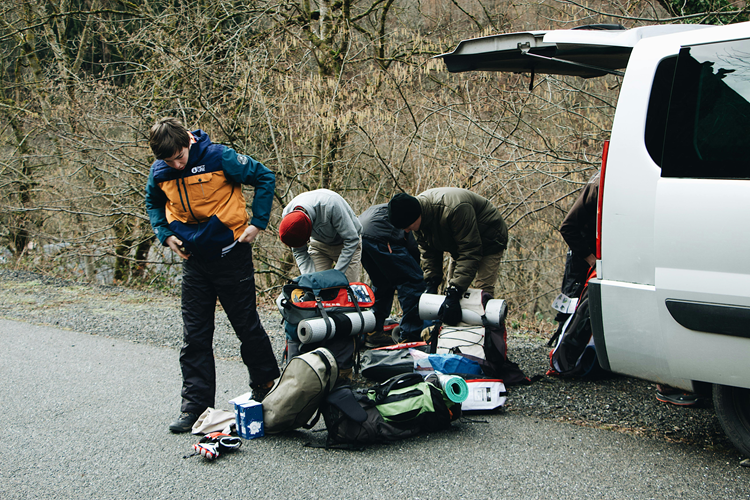
- Walk-In Camping (Festivals, Hiking, Backpacking): Carrying everything on your back changes everything. Whether to a festival, hiking spot or wild camping location, weight isn’t just a consideration, it’s the primary factor in what you bring. Everything should fit in one 50 to 65 litre rucksack. To help with this make sure to pack multipurpose gear over single use, think sporks, pots that double up as bowls instead of separate cutlery and bowls. And remember the clothing layering system mentioned earlier? That keeps the weight down compared to individual outfits.
Your loaded pack shouldn’t exceed 20% of your body weight. For most people, that’s 10-15kg maximum. This isn’t just a suggestion, go over this 20% rule and you’ll be uncomfortable within an hour and potentially injuring yourself by day’s end. The person who shows up with three bags? They’re learning this lesson the hard way while everyone else is already set up. - Car Camping: If you’re at a campsite with vehicle access, then the world is your oyster and can bring comfort items. Proper cooking gear, camp chairs, extra clothes, coolers. If you want it and can fit it, bring it! But here’s what separates organised campers from chaotic ones: systematic packing. Firstly, pack items into stackable storage boxes by category (kitchen, sleeping gear, activities, etc). This will stop the need to rummage around the car for things you need now instead of later.
Next up, pack the car in reverse order, things you won’t need first at the bottom and the things you need straight away last. This way you’ll have your tent and kettle right when you need it and your sleeping bags and stuff for tomorrow later after you’ve unpacked. Do this right and you’ll never unpack your entire boot looking for tent pegs again. Do it wrong and you’ll waste an hour of precious daylight every time you need something. Finally, leave space the boot opening for the coolbox. You’ll be loading this with ice and all the perishable foods you’ll need for the first few days, so it’s best to pack this last thing before setting off. - Day Trips from Base Camp: Once camp is up and running and you’ve had that first mug of tea, you should prep your day bag. This lets you explore without dismantling camp or lugging unnecessary gear. Add these things the night before, and then morning you will thank evening you for not having to think about it:
- Water (minimum 1 litre per person, more in summer)
- Food for the day
- Waterproof jacket (not optional in the UK)
- Insulating layer
- First aid basics
- Charged phone
- Navigation (map, GPS, or both)
- Suncream (you never know)
Backpack Organising That Actually Makes Sense
There is a knack to packing a backpack. If you’re new to hiking and camping you will inevitably find out after a couple of stops on a journey, that you will either end up repacking or just shoving stuff in. You’ll later find that you have a sore back/shoulders that evening. So the key is to follow the three-zone system, bottom, middle and top, to make any walk no matter how long easy.
Bottom Zone – Stuff You Don’t Need Until Tonight
This should be fairly straightforward to pack quickly. Clothes, sleeping mat, campsite shoes & sleeping bag should all be packed at the bottom of your pack. Some of you will be wondering why not strap the sleeping bag to the outside, and honestly if the weather is great do it. If it’s looking dodgy though, you’ll be grateful for a dry sleeping bag later that evening. If we had to pick one of these items to strap to the outside we would choose the sleeping mat, as they tend to dry out more rapidly than a sleeping bag.
Middle Zone – The Heavy Stuff
This is where physics matter! To be comfortable (and to save sore shoulders) when walking, all heavy items should be in the middle and close to your back. All your food should be packed with the heaviest items towards the bottom middle. Cooking gear and fuel should also be packed here and finally if you’re carrying a lot of water, decant some into water bottle and put the rest here too. Bit of a tip for you, stuff an extra jumper between your back and this gear. Nothing worse than a camping stove jabbing you in the back every few steps!
Top Zone – The “Grab During The Day” Stuff
Everything that you’ll need to access quickly and easily should be packed at the top. Snacks (packed in a container), medical supplies, head torch, a spare warm layer and that all important raincoat! If the weather is already naff when you set off, make sure to leave some space in the top in case you need to strip off a layer or two later in the day. This may all seem like common sense, but there is nothing worse than searching for that trail mix you packed just to realise that it’s spilled into the bottom of your pack.
External Bits
There should only be a few items attached to the outside of your rucksack. Firstly, lightweight tents should be strapped to the top of your rucksack. If it’s 2.5kg or over, then it should be strapped to the bottom of your pack for better balance. Water bottle in a side pocket for easy access. Sleeping mat, if you’ve decided not to pack it in the bottom of your pack. And finally, buy a couple of snap hook carabiners, these are awesome for attaching wet clothes to dry off whilst walking.
What Not To Do (Better Known As “The We’ve Done This Before” Section)
- Over packing with “Just In Case” items. – “Yes, I definitely need those high heel shoes”; “4 books will give me some variety to read over the weekend”; “what do you mean “why have I packed a cheese grater?”, for grating cheese!”. If there is any doubt that you won’t use something, do yourself a favour and leave it. We all know it’s just another unnecessary thing to pack and unpack at the end of the day. On the flip side of this though…
- Think you can just buy stuff when you get there. – “I’m sure there will be a shop nearby that sells nappies”. Spoiler alert, there wasn’t… If there is any stuff you need to take with you, make sure you pack it either before leaving or intentionally stopping on the way to get it. Otherwise, you might just end up doing an extra 3 hour round trip to get nappies or something.
- Assuming the weather is going to be good because the Met Office said so. – It won’t be, you know it, I know it, the dog knows it. It’ll rain at some point and you’ve packed your raincoat in the bottom of your bag. And even if it doesn’t, you’ll probably have to deal with things like dew in the morning. Which will leave you with cold soaking ankles within minutes of stepping outside, because you’ve left your waterproof trousers in the car.
- Packing things you can’t access because you’re tired and can’t be bothered to organise it – So you’ve decided to shove something in your backpack and now you can’t find your lunch. Good job, your sandwich is now squashed and that bag of crisps is more like a small bag of edible rubble. Don’t be like us and a bit lazy, make sure to pack correctly no matter how tired you are. The three zone system matters!
Get Packing and Get Going
Good packing isn’t about being perfect, it’s about making your trip easier. Start with these systems, adapt them to what works for you and you’ll spend way less time stressing about gear, and way more time actually enjoying yourself. And honestly? Having your stuff sorted makes you look like you know what you’re doing, which is half the battle when you’re camping with mates or taking the family away. Whether you’ve invested in all your own kit or you’re using tent hire to keep things simple, proper packing makes every trip better.
Packing Sorted. Storage? Not Your Problem
You know how to pack efficiently now. But where do you store all that gear between trips? Hire a tent from us and skip some of that storage headache entirely.